Those who grew up in Spain in the 1990s will probably remember the PC Fútbol video games, a saga of association football (soccer) management simulators. Although it was largely ignored by gamers from most other countries (despite specific versions being released for the UK, Italy, and Argentina), it became one of the most successful and memorable series in Spanish software history, with each release turning into a social event.
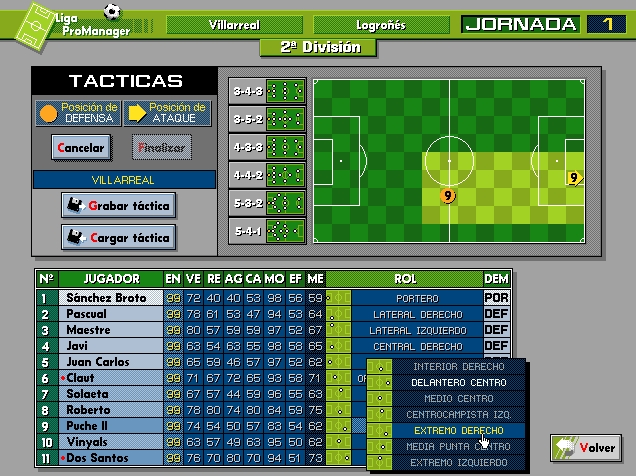
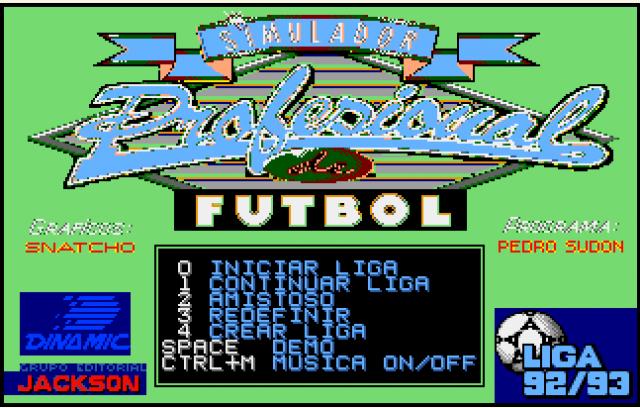
The origins of PC Fútbol lie in the publisher Dinamic, which released the football games Míchel Fútbol Máster + SúperSkills (1989) and Simulador Profesional de Fútbol (1991). Although these titles did not yet carry the PC Fútbol brand and were less polished than their successors, they laid the foundation for the series and may be considered PC Fútbol 0 and PC Fútbol 1, respectively.
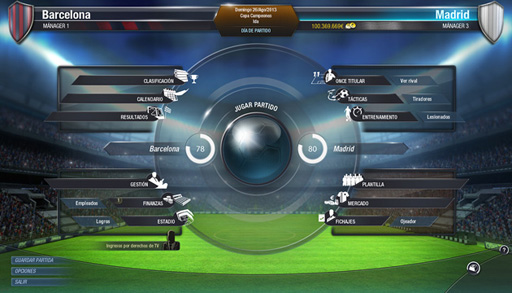
The Dinamic team later joined a new company, Dinamic Multimedia, which operated from 1993 to 2001, when it filed for bankruptcy. During this period, it released eight major PC Fútbol titles—considered among the best in the series—and became the leading football video game franchise in Spain, eclipsing international alternatives such as Championship Manager (1992) and Championship Manager 2 (1997).
After Dinamic Multimedia disappeared, there were many attempts to create successors to the saga, either as official continuations (under different developers and publishers using the original brand) or as spiritual successors under different names (such as the FX Fútbol series or Unifútbol). The history of these attempts, as well as the ownership of the trademark, is so complex that it has been covered in dedicated articles and book chapters. In any case, none of these projects achieved the same level of success as the original series or survived for more than five years.
Dinamic Multimedia’s PC Fútbol titles are still fondly remembered by players, who long for those weekends spent carefully managing their squads—an experience similar to what are now known as “cozy games.” Players also became familiar with La Liga teams and players at a time when the internet was not yet widespread, making the game one of the most accessible sources of information on Spanish football in the 1990s.
Despite the widespread affection for the original PC Fútbol series among Spanish players—evident in forums and conversations with veteran gamers—and despite the rise of free and open-source software (FOSS) around the time Dinamic Multimedia disappeared, it is surprising that there has not been a community-driven effort to rebuild the project as open source.
Although most related projects have been discontinued and the companies behind them dismantled, the source code for none of the titles has been released under an open-source license, unlike other classic games such as Prince of Persia (1999), Doom (1993) or Quake (1996). This has hindered the formation of a community capable of continuing the project.
There is one community-driven project, Unifútbol (previously known as Futben and Proyecto PCF), which has existed since at least 2009 and remains active as of 2026. Despite being advertised as “free” and relying on volunteer contributions, it actually follows a freemium model (with a subscription-based online league through its Club Unifútbol platform) and is built on closed data and proprietary source code.
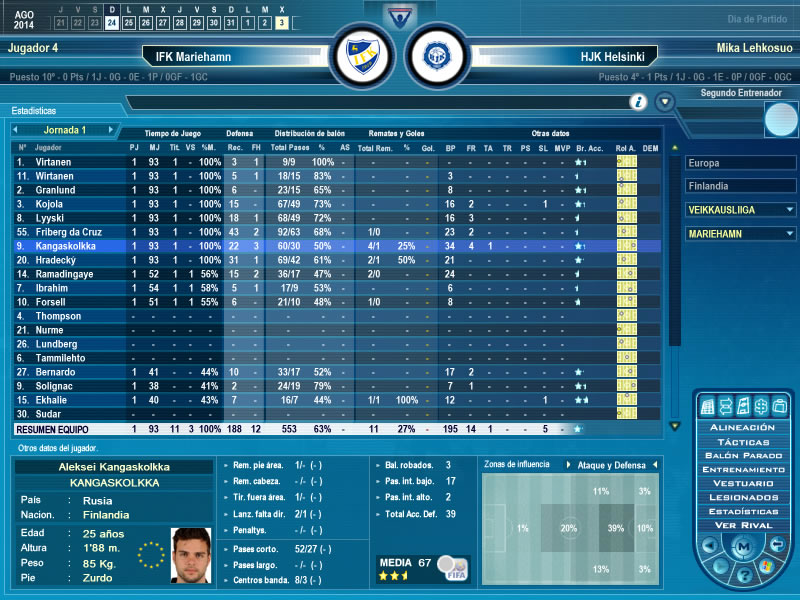
Within the PC Fútbol player community, some users have reverse-engineered the original software and provided patches to update team lineups. This demonstrates a clear interest in keeping the game alive, modernizing it, and contributing to it collectively.
One reason why none of the PC Fútbol successors—whether company-backed or community-driven—have endured is that the original source code and assets were never made available. As a result, each new attempt has had to start from scratch.
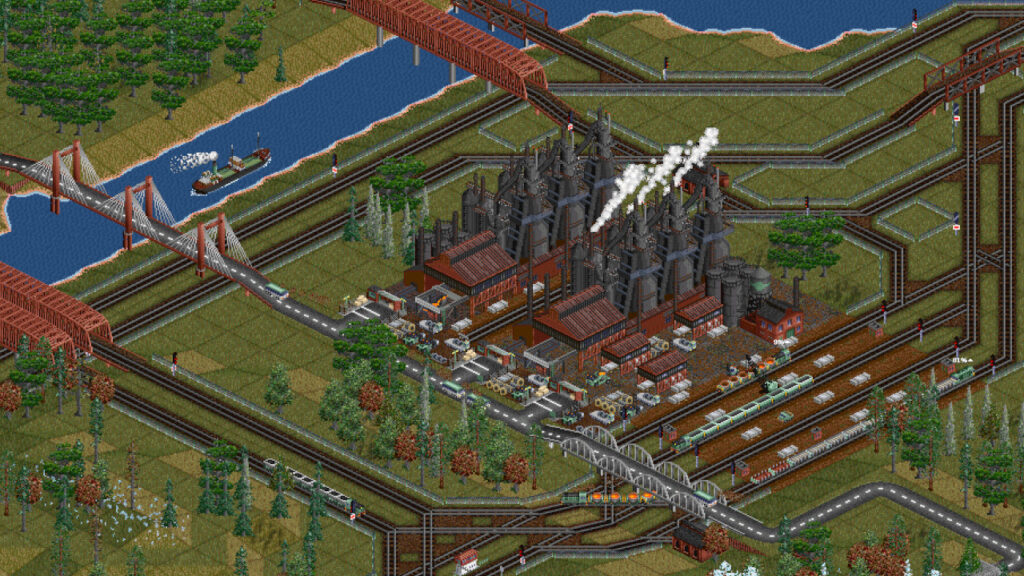
In my view, Dinamic Multimedia’s PC Fútbol has all the necessary ingredients—community interest, a strong fan base, and commercial disappointment—to support a successful open-source revival, following the example of projects such as OpenXcom (based on X-COM: UFO Defense, 1994), OpenTTD (based on Transport Tycoon Deluxe, 1995), or CorsixTH (based on Theme Hospital, 1997). I would like to contribute to an open-source project that restores PC Fútbol to the place it deserves within the gaming community.